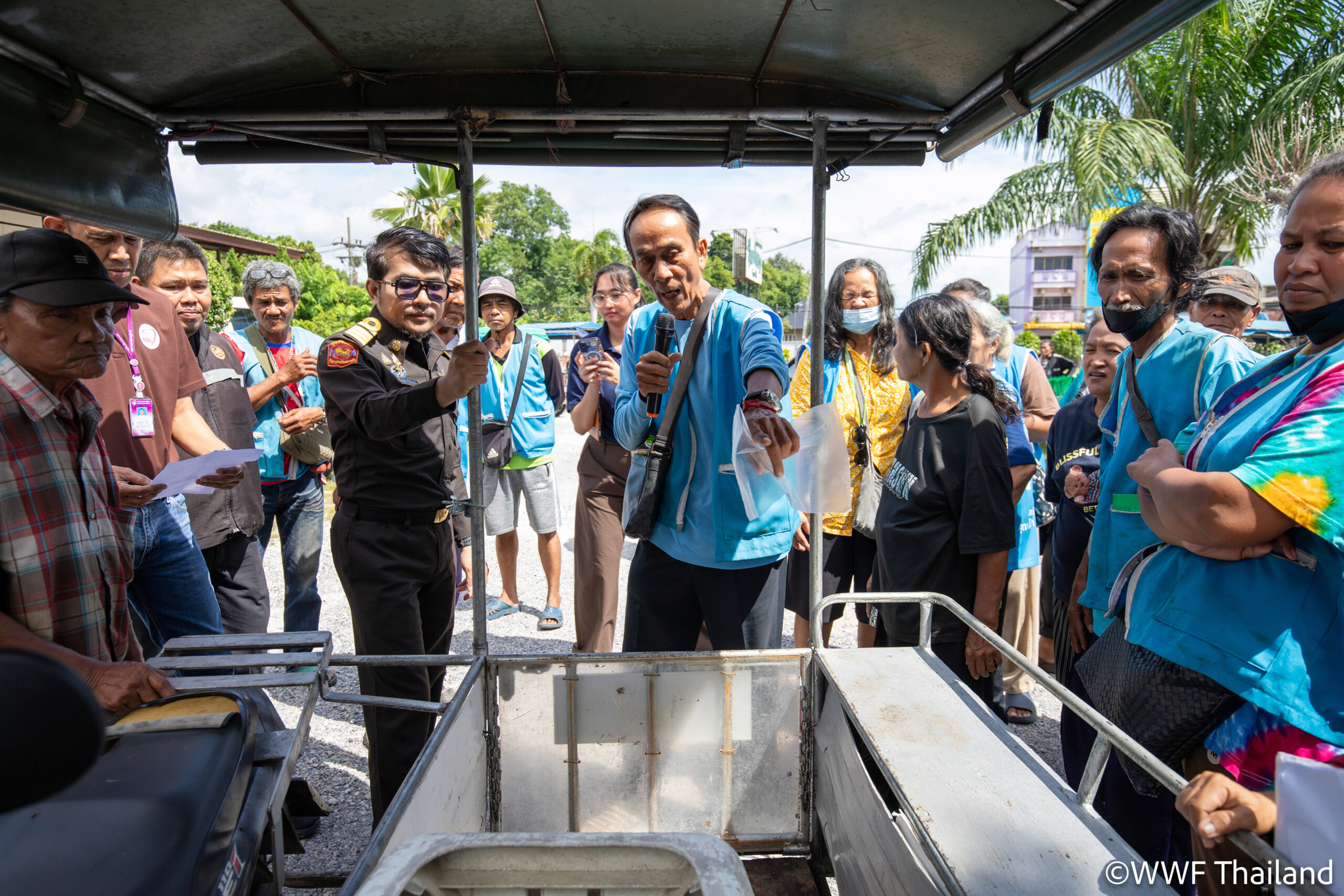
On 2 September 2026, WWF Thailand, through the TCCF-IWPs Project, partnered with Surat Thani City Municipality to organise a training session on “Sidecar Vehicle Registration and Waste Collection Zoning” at Popeye Vibhavadhi Restaurant, Surat Thani Province. The event brought together more than 90 waste collectors (Saleng).
The training aimed to enhance participants’ understanding of the legal requirements and registration procedures for sidecar vehicles, while also strengthening the organisation of recycling collection routes and collecting areas. By mapping and reviewing waste collection zones, the initiative supports more efficient waste recovery and improved coordination among waste collectors across the municipality.
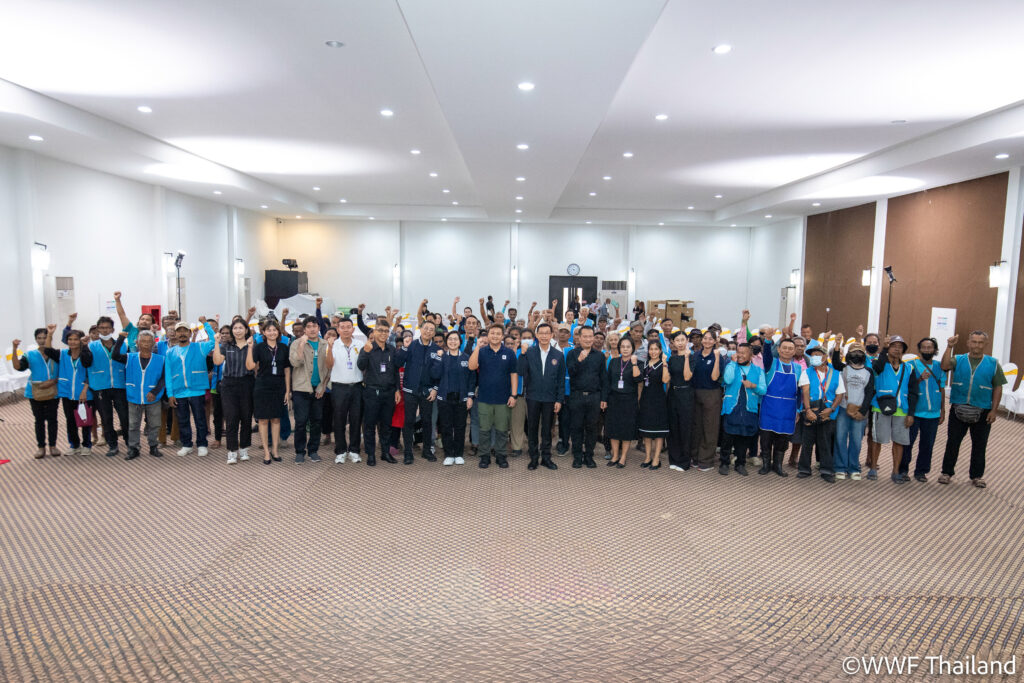
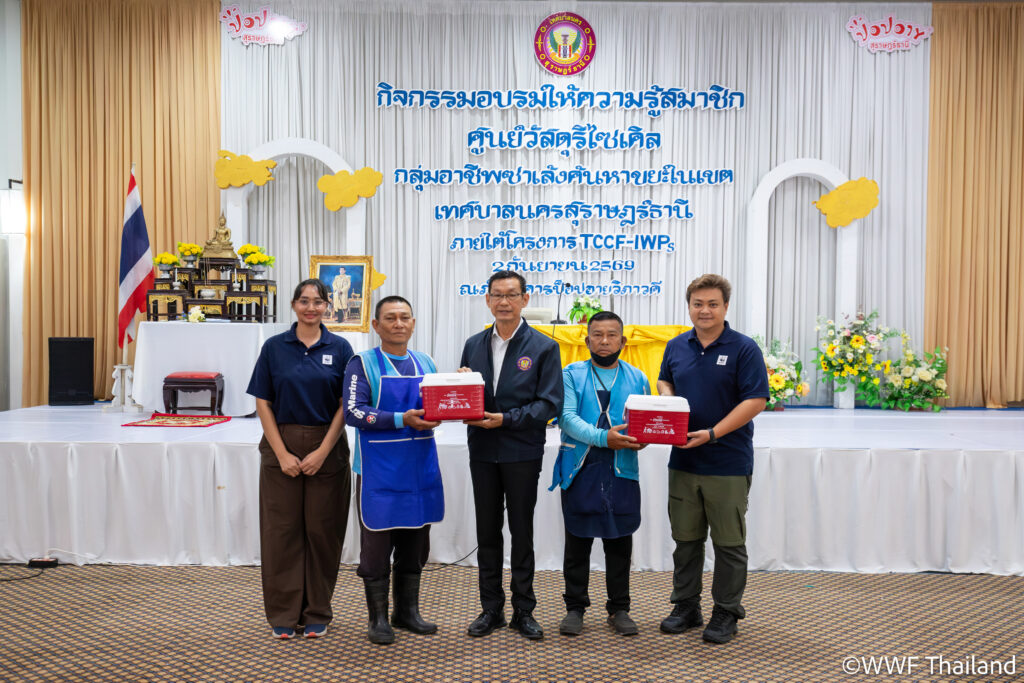
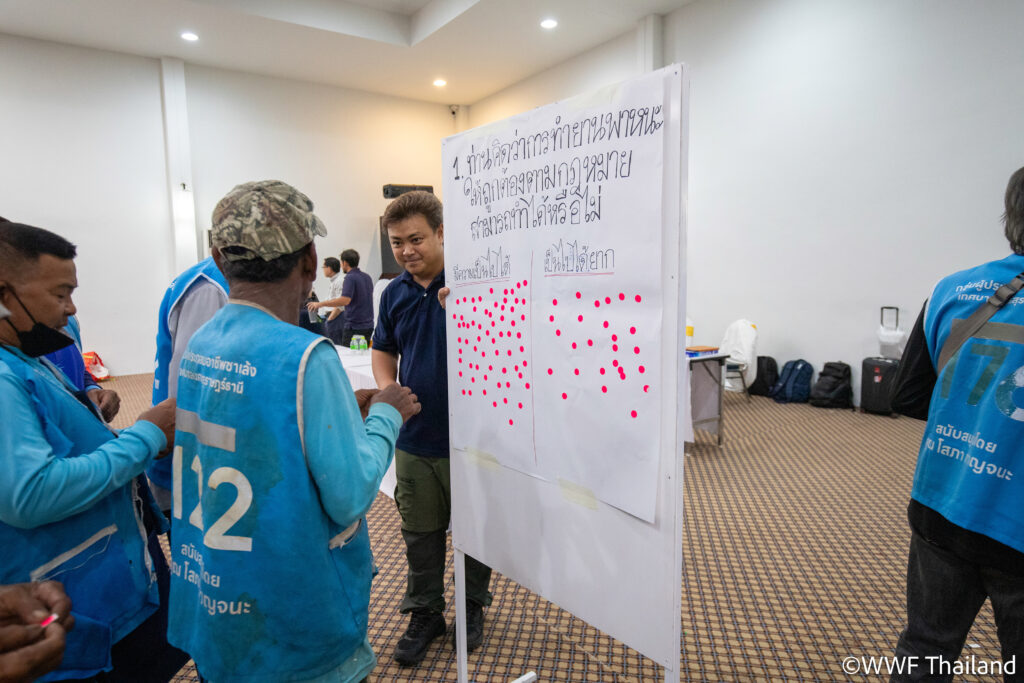
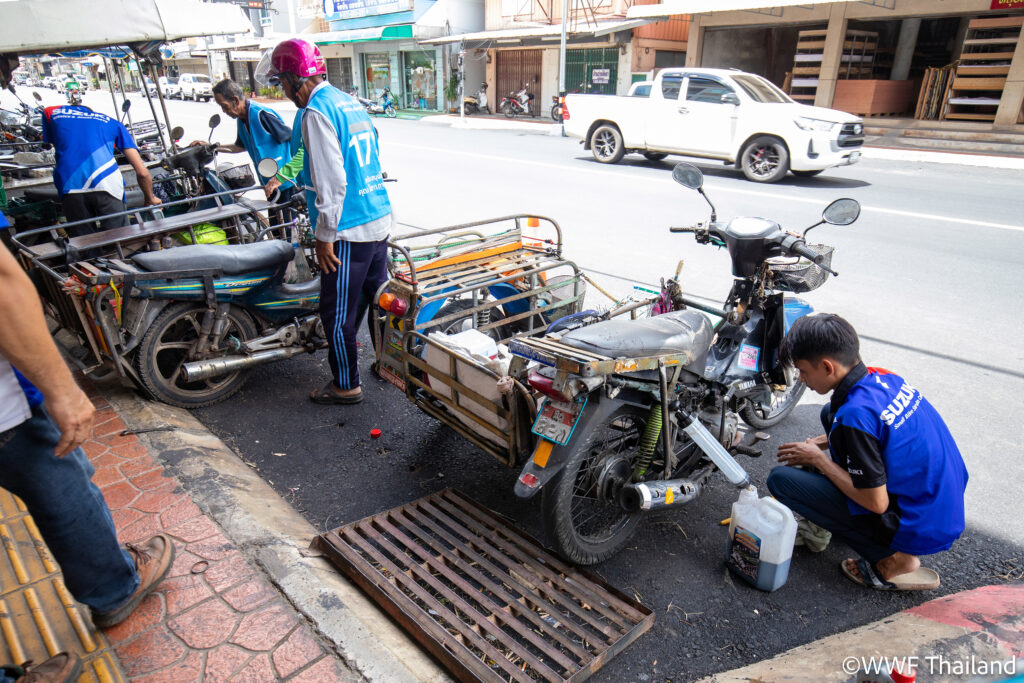
Key activities included updates on regulations related to the municipal recycling center, guidance from the Surat Thani Provincial Transport Office on sidecar vehicle registration, and collaborative route-mapping exercises to improve waste collection coverage and operations. Participants also received engine oil change services to support vehicle maintenance and safer working conditions.
The information gathered through the route and collection zone assessment will contribute to a more comprehensive and up-to-date municipal waste management database. It will also enhance collaboration between waste collectors, local authorities, and communities, helping to expand recycling collection services to underserved areas.
This initiative reflects a shared commitment to supporting informal waste collectors by promoting safe and legal working practices while recognising their vital role in the city’s recycling ecosystem. By strengthening local capacity and improving waste management systems, the project contributes to higher recycling rates, improved livelihoods, and more sustainable waste management outcomes for the long term.